
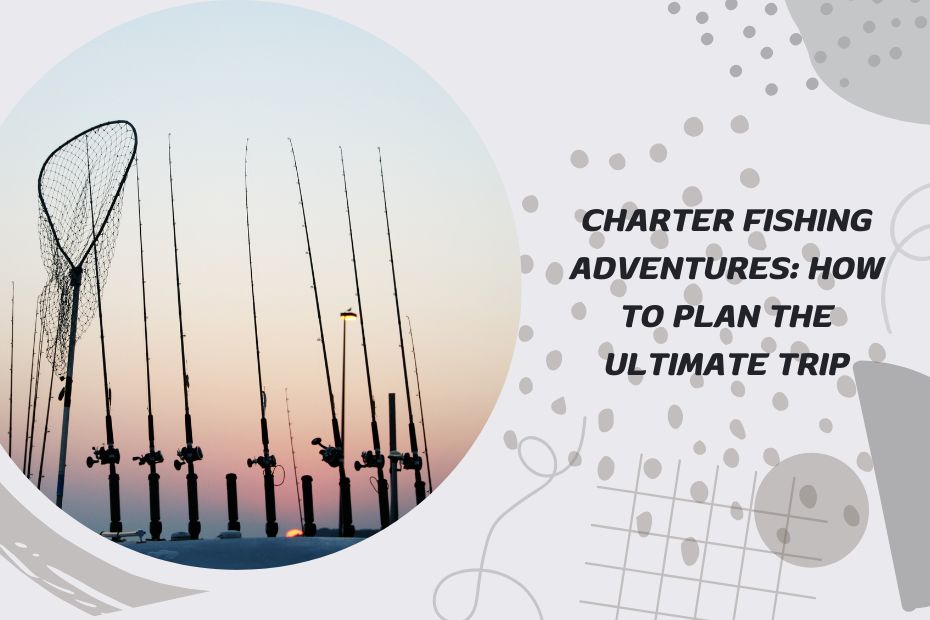
Charter fishing trips offer an unmatched experience for fishing enthusiasts, combining the thrill of catching a big fish with the adventure of exploring the open sea. Whether you’re an experienced angler or a novice, careful planning is key to making sure your trip is memorable, exciting, and successful. From choosing the right destination to gearing up properly, here’s how you can plan the ultimate charter fishing adventure.
Choosing the Perfect Destination
The first and most important decision is selecting the right location. The world is full of incredible fishing destinations, each offering a unique experience depending on the type of fish you want to catch. Some of the most popular spots for charter fishing in the U.S. include the Florida Keys, which is known for a variety of species like tarpon and bonefish, and the Gulf of Mexico, where you can find red snapper and tuna. Internationally, destinations like Costa Rica and the Bahamas are famous for big game fish, including marlin, sailfish, and dorado.
When choosing a location, research the types of fish you want to catch and the best time of year to visit. For example, marlin season in the Caribbean peaks between May and October, while destinations like Alaska are best for salmon fishing in the summer months. Matching your target species to the right season will ensure a higher chance of success on your trip.
Selecting the Right Type of Charter
Not all charter fishing trips are the same, and choosing the right type of charter is crucial to ensuring your adventure meets your expectations. There are generally two categories of charters: inshore and offshore.
- Inshore charters are ideal for beginners or those who prefer shorter trips. These trips typically stay closer to shore, where the waters are calmer and the fish smaller. Expect to catch species like redfish, snook, or sea trout.
- Offshore charters, on the other hand, are for those seeking a more challenging adventure. These trips take you out to deep waters where you’ll have the chance to catch larger game fish like tuna, swordfish, or marlin. These charters can last anywhere from half a day to a full day, depending on how far out you need to travel .
It’s important to assess your skill level and how much time you’re willing to spend at sea before booking. Offshore fishing can be physically demanding and may not be suitable for everyone, especially if you’re prone to seasickness.
Researching Charter Companies
The success of your fishing trip is largely determined by the charter company you choose. A good captain and crew can make all the difference in the quality of your experience. Start by researching local companies at your chosen destination. Look for reviews on websites like TripAdvisor or forums where fellow anglers share their experiences.
Ask important questions before booking, such as:
- What is included in the charter package (licenses, tackle, bait)?
- What species are targeted during the trip?
- What’s the company’s policy on keeping or releasing fish?
Additionally, ensure that the charter is fully licensed and insured. Many reputable charter companies offer customizable trips, allowing you to tailor the experience to your skill level and preferences.
Budgeting and Costs
Charter fishing trips can range widely in price depending on the length of the trip, the type of boat, and the services included. A half-day inshore trip might cost between $400 and $600, while a full-day offshore adventure can run upwards of $1,500 or more . Consider what’s included in the price. Most charters will cover the basics like fishing licenses, tackle, bait, and the crew’s services. However, you’ll likely need to bring your own food and drinks.
Tipping the crew is customary, with 15-20% of the total charter cost being standard. This is an important part of the fishing charter culture, as many crews rely on tips to supplement their income. Make sure to factor this into your budget when planning your trip.
Gear and Preparation
While most charters provide fishing equipment, it’s always a good idea to clarify what gear will be available. Offshore fishing often requires heavier-duty rods, reels, and specialized tackle to handle big game fish. If you prefer to use your own gear, check with the charter company to ensure it’s allowed.
Apart from fishing equipment, proper clothing is essential. Dress in light, moisture-wicking clothing, but bring layers in case the weather changes. Polarized sunglasses are a must for reducing glare on the water, and don’t forget a hat and plenty of sunscreen for sun protection. Water shoes or deck shoes with good grip will also come in handy to prevent slipping on the boat.
If you’re prone to seasickness, it’s wise to bring motion sickness medication. Spending hours on the water, especially in rough conditions, can lead to discomfort even for experienced sailors. Better to be prepared than have the experience ruined by nausea.
Understanding Weather Conditions
Weather plays a significant role in the success of any fishing trip, especially offshore. Windy conditions can make the water choppy, making fishing more difficult and leading to seasickness. Keep an eye on the weather forecast in the days leading up to your trip, but also be prepared for last-minute changes.
Most charter companies will cancel trips if the weather becomes dangerous, but some might still go out if conditions are borderline. Don’t be afraid to reschedule if you’re uncomfortable with the forecast. It’s always better to play it safe.
On the Water: What to Expect
Once you’re out on the water, there are a few things to keep in mind to make the most of your experience. Charter fishing is unpredictable, and while the captain will do everything they can to find fish, nothing is guaranteed. Patience is key—sometimes it can take hours before a fish bites, especially on offshore trips targeting larger species.
Work with the crew and ask for tips on technique, especially if you’re new to fishing. They can help you with everything from baiting your hook to setting the drag on your reel when you finally hook a big one.
Remember, fishing is as much about the experience of being on the water as it is about catching something. Enjoy the journey and take in the sights. Whether you catch a trophy fish or not, the excitement of the chase and the camaraderie with fellow anglers will make it worthwhile.
Essential Steps for Planning the Ultimate Charter Fishing Trip
- Choose the right destination: Pick a location that matches your target species and the season.
- Select the right charter type: Inshore trips for beginners; offshore trips for seasoned anglers.
- Research and book reputable companies: Ensure the company is licensed and fits your needs.
- Prepare for the elements: Dress appropriately and bring sun protection and motion sickness meds.
In Conclusion
Planning a charter fishing adventure is about balancing the excitement of the unknown with thoughtful preparation. From selecting the perfect destination to ensuring you’re equipped with the right gear, each decision you make enhances your chance for success. While catching a big fish is always the goal, the true reward lies in the experience—spending time on the water, honing your skills, and enjoying the company of fellow adventurers. With the right plan in place, your charter fishing trip can be an unforgettable experience that keeps you coming back for more.

Barry Bekkedam is an entrepreneur and finance executive focused on investment management and advisory. A former Villanova standout and member of Canada’s men’s national basketball team, he now leads ventures in asset management and philanthropy, including the Barry Bekkedam Foundation supporting education and community development.