
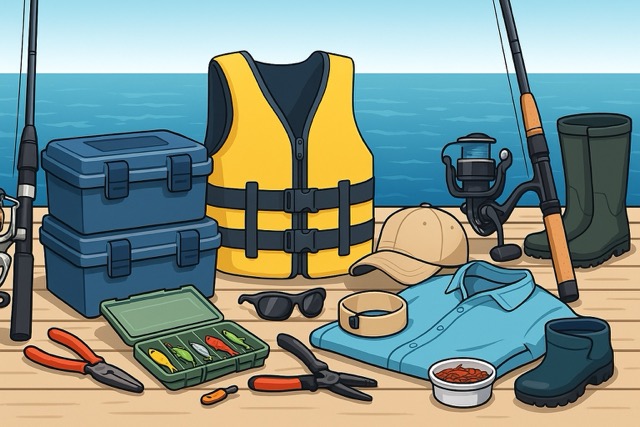
Planning a saltwater fishing trip takes more than enthusiasm—it takes preparation and the right equipment. Whether you’re fishing from a boat, pier, or shore, every piece of gear serves a purpose. From choosing the proper rod and reel to wearing the right shoes, the tools you bring can determine whether you return home with a cooler full of fish or a story about “the one that got away.” In this guide, you’ll find a complete breakdown of the gear that can set you up for success on your next saltwater fishing adventure.
Rods and Reels That Handle Salt and Strength
You need a rod and reel combo that can take a beating, cast long distances, and hold up against the strength of large saltwater species. A medium to medium-heavy spinning rod, between 6 to 7 feet, is ideal for most inshore applications. Pair it with a saltwater-rated spinning reel with a sealed drag system to protect against corrosion. Brands like Penn, Daiwa, and Shimano offer reliable setups that won’t fail you after a few uses in salty environments.
Avoid using freshwater gear in saltwater settings—it corrodes quickly and won’t have the backbone to handle aggressive strikes or heavy runs. If you’re planning to fish offshore, scale up to a heavier conventional rod and reel with a higher line capacity. You want to match your gear to your target species, but also give yourself some flexibility for unexpected encounters.
Line and Leader: The Critical Connection
The type of line you spool on your reel makes a big difference in both casting distance and hook-setting ability. Braided line is the go-to for many saltwater anglers because of its strength-to-diameter ratio and sensitivity. A 20–30 lb braided line covers most inshore needs, while heavier line is better for offshore battles.
Still, braid alone isn’t enough. A fluorocarbon leader, between 20–50 lbs depending on the target, is essential for abrasion resistance and stealth. Saltwater species like snook, tarpon, and redfish are line-shy and live around sharp structures, so you need a leader that holds up. Learn your knots and carry extras—you’ll be retying often.
Lures and Bait: Match the Hatch
Lures need to match the type of prey fish in your area, and they should be tough enough to hold up in saltwater. Soft plastics, paddle tails, shrimp imitations, topwater plugs, and jerkbaits are great choices for inshore fishing. When fishing deeper or dealing with fast currents, jigs and spoons give you the control you need.
Live bait is often the most productive option. Shrimp, pilchards, and finger mullet are commonly used and widely available in coastal bait shops. Make sure you have an aerated bait bucket to keep them lively. Check local fishing reports before you head out so you know what’s biting and what bait works best in the area. There’s no substitute for using what the fish are already feeding on.
Tools That Make the Difference
A smart angler brings more than a rod and tackle box. The right tools make every part of your trip more efficient and safer. Long-nose pliers are essential for removing hooks without harming yourself or the fish. Braid scissors or line cutters give you clean cuts without fraying, especially important when tying leaders or changing lures.
You should also pack a fish ruler for measuring legal catches and a small toolkit for emergency reel or rod repairs. Lip-grippers are a great addition if you’re dealing with toothy fish or want to avoid handling them too much before release. These items don’t take up much space but pay off over and over again.
Safety Gear: Don’t Skip It
Saltwater fishing takes place in an unpredictable environment. Even if you’re just heading out for a few hours, having proper safety gear is a must. Life jackets are non-negotiable if you’re on a boat. Make sure they fit properly and are easily accessible, not buried under gear. A well-stocked first aid kit should be onboard, especially when fishing with hooks, knives, and heavy gear.
You’ll also want sun protection gear like a wide-brimmed hat, UPF-rated long sleeves, and polarized sunglasses. The sun reflects off the water and magnifies exposure, so sunscreen alone won’t cut it. For longer trips, especially offshore, bring a VHF radio or satellite communicator. Cell service won’t always be available, and when conditions change, you’ll want a way to call for help.
Storage That Keeps You Organized
Saltwater environments are harsh on gear, so how you store your equipment matters. Waterproof tackle boxes and dry bags protect your tools, electronics, and backup clothes. Go for models with adjustable compartments and rust-resistant latches. This helps you access what you need fast, especially when the bite is hot and you don’t want to waste time searching through gear.
Fishing backpacks are great for shore or pier anglers. Look for ones with rod holders, insulated compartments, and easy-to-clean surfaces. The more organized you are, the less time you spend untangling lures or replacing gear damaged from salt and moisture.
Clothing and Footwear That Performs
Your choice of clothing isn’t just about comfort—it can protect you from sunburn, hypothermia, or nasty slips on wet decks. Start with a moisture-wicking base layer and add a lightweight, long-sleeve fishing shirt with UV protection. In cooler conditions, a windbreaker or rain shell keeps you dry when the weather turns.
Footwear should be non-slip, waterproof, and quick-drying. Deck shoes and water sandals from brands like Huk or Columbia are ideal for boat fishing. If you’re wading, consider durable neoprene boots that protect your feet from sharp rocks or marine life. Don’t wear flip-flops—one slip can ruin your day or worse.
Must-Have Saltwater Fishing Gear
- Saltwater-rated spinning rod (6–7 feet) with corrosion-resistant reel
- Braided line with a fluorocarbon leader
- A mix of soft plastics, jigs, plugs, and live bait
- Tools like pliers, line cutters, ruler, and lip-grippers
- Safety items including life jackets, first aid kit, and VHF radio
- Waterproof tackle storage and organized fishing backpacks
- UV-protective clothing and slip-resistant footwear
Wrapping Up Your Gear Checklist
Bringing the right gear on your saltwater fishing trip is about being prepared, not overpacking. You need tools that handle corrosion, clothing that keeps you safe, and tackle that matches your target species. When you think through each part of your trip—from rigging and casting to landing and storing fish—you reduce the guesswork and increase your chances of success. Don’t wait until you’re on the water to realize what you forgot. With this setup, you’re ready to fish smarter, safer, and more efficiently every time.
Want to receive regular insights and actionable advice on making the most of your passions and tackling new challenges? Consider subscribing to my Substack.

Barry Bekkedam is an entrepreneur and finance executive focused on investment management and advisory. A former Villanova standout and member of Canada’s men’s national basketball team, he now leads ventures in asset management and philanthropy, including the Barry Bekkedam Foundation supporting education and community development.