
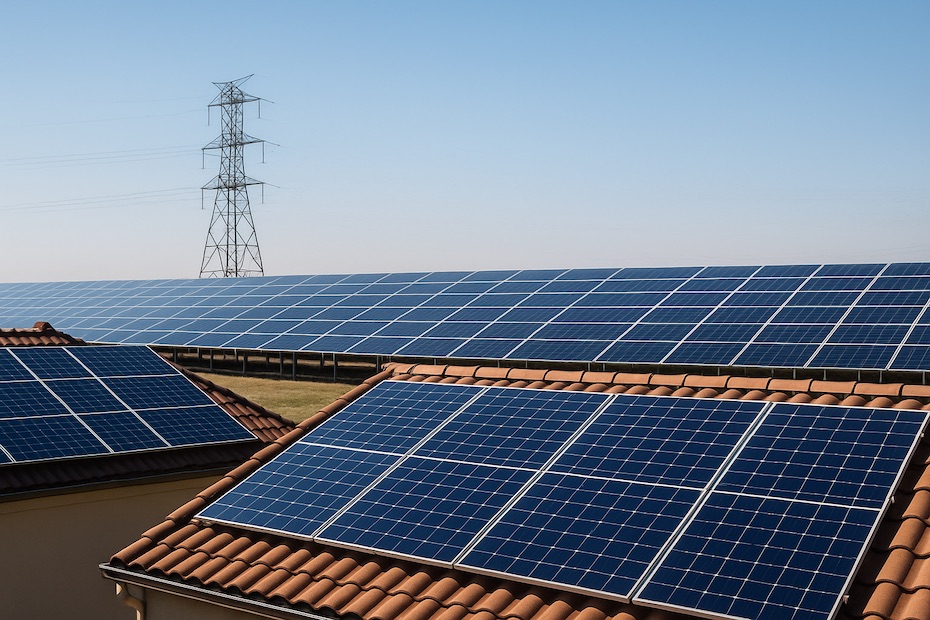
You’re witnessing a global shift where people, businesses, and governments are no longer at the mercy of unstable fuel markets or distant power sources. Solar energy is enabling countries to produce their own electricity and move away from fossil fuel dependence. In this article, you’ll learn how solar installations, public incentives, grid storage, and policy are combining to give individuals and nations the ability to generate their own power. You’ll also see how this shift affects you—whether you’re running a business, managing a household, or part of a growing clean energy workforce.
Solar Power Is Now in Your Hands
You no longer need to rely solely on your local power company. With rooftop solar becoming more affordable, residential installations are growing rapidly. In many regions, you can get solar panels installed with little upfront cost, thanks to financing programs or government-backed loans. Once installed, those panels start producing power immediately—slashing your utility bills and giving you more control over energy use. You’re not just saving money; you’re also joining a global shift toward self-sufficiency.
Beyond individual homes, solar cooperatives and neighborhood-scale projects are gaining traction. These allow renters or those without suitable rooftops to still participate. By sharing ownership in local solar farms or subscribing to community solar programs, you gain access to clean power and predictable electricity rates without needing a private system. This kind of accessibility is helping solar reach more people than ever before.
Government Policies Are Fueling the Growth
Incentives are driving much of the current momentum. If you live in the United States, you’ve likely heard of the Inflation Reduction Act (IRA). This law has funneled more than $130 billion into clean energy manufacturing, resulting in new solar factories and over 160,000 jobs. You may qualify for tax credits that offset the cost of installing panels, batteries, or electric water heaters—reducing your payback period significantly.
However, you should also be aware of the policy risks. There’s growing pressure in Congress to scale back some of these incentives, particularly for residential systems. If those changes take effect, solar adoption could slow. That makes it important to act sooner rather than later if you’re considering installation. Taking advantage of current policies gives you the best chance to lock in savings and energy security before potential cuts take hold.
Utility-Scale Solar Is Reshaping National Power
Large solar farms are now producing gigawatts of electricity, helping nations cut their dependence on fossil fuels. China added over 300 GW of solar capacity in 2024 alone—more than the rest of the world combined. India doubled its capacity in just a year, showing that rapid scaling is possible with the right strategy. These developments are not limited to sunny countries either. In Europe, solar installations reached a record 263 GW in 2023, thanks to strong policy and high energy demand.
When utilities invest in solar, it reduces the need to import oil and gas. That means less vulnerability to global supply chain issues, wars, or fuel price spikes. You benefit directly when these installations lower wholesale electricity costs, since utilities often pass those savings to consumers. The ripple effect of utility-scale solar is real—more stability, fewer emissions, and better rates for everyone on the grid.
Energy Storage Makes Solar Reliable Around the Clock
One of the most common concerns about solar is intermittency. What happens when the sun isn’t shining? That’s where batteries come into play. Home battery systems let you store daytime solar power for use in the evening or during blackouts. If you’re on a time-of-use utility plan, storing and using your power during peak hours can save you even more money.
At the grid level, large-scale battery farms are balancing supply and demand. These facilities store excess solar during the day and release it when needed, helping utilities maintain consistent voltage and avoid blackouts. In areas with unstable grids or frequent outages, combining solar with storage can give you a powerful buffer against energy disruptions—essential for households and businesses alike.
Old Coal Mines Are Becoming New Solar Fields
Around the world, developers are repurposing abandoned coal mines into solar farms. These sites already have access roads, transmission lines, and cleared land—making them ideal for large-scale installations. This type of redevelopment doesn’t just produce clean energy; it also helps restore areas previously damaged by mining activity, creating local jobs in the process.
In countries like India, the United States, and Germany, solar installations on former mine sites are already generating power. Global estimates suggest this model could add up to 300 GW of capacity by 2030. If your region has a legacy of coal or mining, there’s a strong chance these lands could be turned into productive assets again—with benefits flowing back into the local economy.
Private Investment Is Still Strong, Despite Policy Concerns
You may have heard recent concerns about solar companies losing stock value due to potential incentive cuts. But investors are still bullish about long-term solar growth. As panel prices fall and efficiency rises, the return on investment improves—even without subsidies. Large firms and financial institutions are still building solar portfolios because they know demand will only increase as more industries electrify.
As a business owner or commercial property manager, solar can help you hedge against rising power costs. Many firms now install panels not just to save money but to meet sustainability targets demanded by customers and regulators. Whether it’s data centers, retail, or manufacturing—solar is no longer an experiment. It’s a serious asset.
Real-World Progress You Can See
Around the globe, solar is making headlines for real accomplishments. In Brazil, solar now accounts for 10% of the country’s electricity—up from virtually nothing a decade ago. In India, massive solar parks are turning desert landscapes into power hubs, including the 2,245 MW Bhadla Solar Park. In the European Union, 56 GW of solar was added in just one year.
In the U.S., rooftop installations declined slightly early this year due to incentive uncertainty. But utility-scale projects picked up the slack. Your best chance to benefit is to keep an eye on regional programs, as many states and provinces offer additional rebates or property tax exemptions. In many cases, local solar installers can walk you through what’s available and help you apply.
Key Drivers of Solar Energy Support
- Government-backed incentives and rebates
- Declining installation and equipment costs
- Expansion of utility-scale solar projects
- Widespread use of battery storage solutions
- Global investment in solar infrastructure
- Repurposing of legacy energy sites
- Consumer-driven demand for self-reliance
Solar Independence Starts with You
You’re not waiting for the future anymore—it’s already here. Solar support is empowering people, businesses, and countries to take control of their energy. Whether you’re installing panels at home or following national grid upgrades, your choices help build a cleaner, more resilient system. Now is the time to secure your place in the global energy shift.
For more perspectives on renewable energy and global shifts, check out my articles on Medium.

Barry Bekkedam is an entrepreneur and finance executive focused on investment management and advisory. A former Villanova standout and member of Canada’s men’s national basketball team, he now leads ventures in asset management and philanthropy, including the Barry Bekkedam Foundation supporting education and community development.